Having an extraction is classed as a minor operation, which means you must ensure you are aware of the procedure and what instructions you must follow.
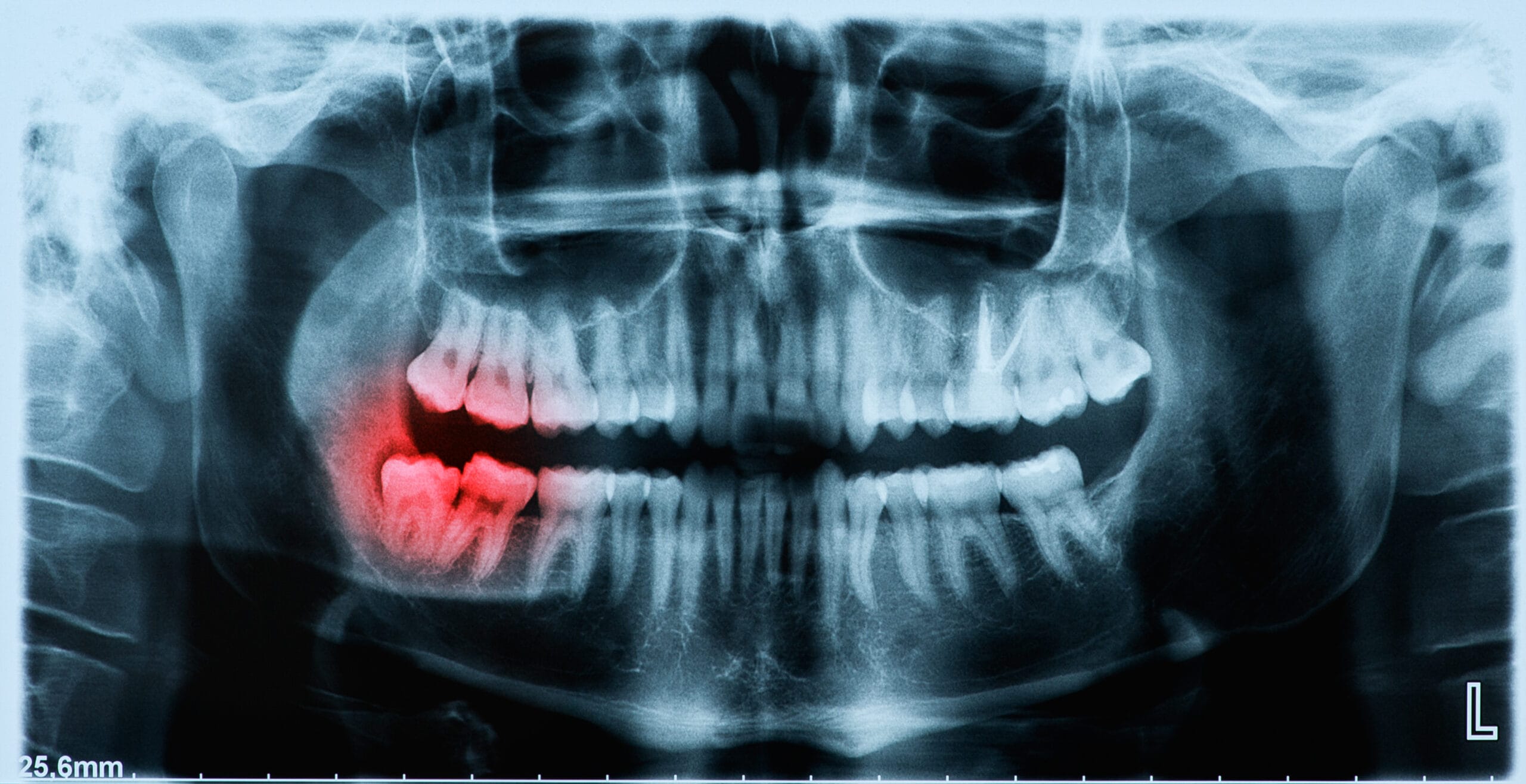
If your tooth is damaged or decayed, and is beyond repair your dentist may decide that the tooth should be extracted. Your dentist will talk you through your options beforehand, to ensure this is the only option for your case as teeth extractions are always a last option.
There are a number of different reasons that a tooth should be removed, for example, if you have the following:
Our clinicians will usually extract your teeth by themselves. However, sometimes the tooth extraction can be slightly more complicated than what they initially thought; therefore you may be referred to a Specialist Oral Surgeon either in a hospital setting or here at the practice.

Relieve pain and discomfort
Removing a severely damaged or infected tooth can quickly relieve pain, pressure, and ongoing discomfort.

Prevent the spread of infection
Extracting a problem tooth helps stop infection from spreading to neighbouring teeth, gums, or the jawbone.

Protect surrounding teeth
By removing a compromised tooth, extractions can help preserve the health and stability of nearby teeth.

Support overall oral health
Tooth removal can resolve issues that may otherwise affect your wider oral health, allowing the mouth to heal properly.

Improve bite and alignment
In some cases, extractions create space to improve bite function or prepare for orthodontic or restorative treatment.
Enable further treatment
Extractions are often the first step before treatments such as dental implants, bridges, or dentures, helping achieve better long-term results.
How do I prepare for the procedure?
Your dentist will explain how to prepare for your procedure. They'll ask about your dental and medical history. It’s important to let them know about any medical conditions, allergies or recent surgery, as well as any medicines you’re taking. Your dentist will discuss with you what will happen before, including any pain you might have.
All extractions within the practice will be done under a local anesthetic, meaning you WILL NOT need to fast beforehand, and you can eat as normal. you can drive before and after the procedure (providing you feel capable of doing so), but you are more than welcome to bring someone along with you.
If you’re unsure about anything, please ask. No question is too small. Being fully informed will help you feel more at ease and will allow you to give your consent for the procedure to go ahead.
Where To Find Us
367 Maidstone Road,
Wigmore, Gillingham, Kent, ME8 0HT
Tel: 01634 232 204

At Toothcare Dental, we carry out simple tooth extractions, surgical tooth removal and wisdom tooth extractions. In some cases these are classed as minor oral surgery, but our focus is always on removing the tooth as gently and comfortably as possible.
Before your tooth extraction, it is important to tell your dentist about any medical conditions, allergies or medications you are taking. You may be given specific instructions about eating, drinking and taking medication before your appointment, especially if a surgical extraction is planned.
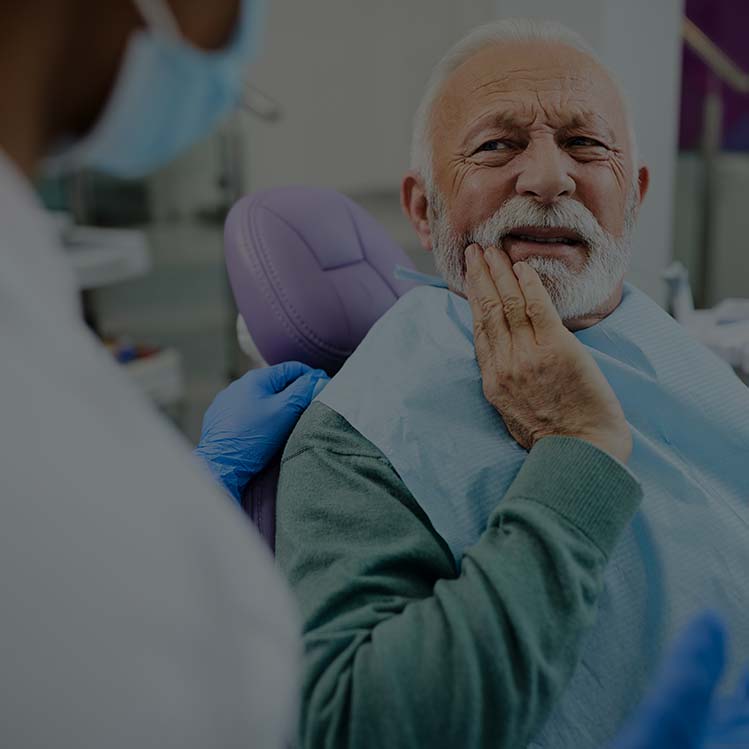
After a tooth extraction it is normal to experience some swelling, mild bleeding and discomfort for a few days. Your dentist will give you clear aftercare instructions, such as biting on gauze, avoiding vigorous rinsing and not smoking, to help the area heal and reduce the risk of complications.
As with any dental procedure, there are potential risks with tooth extraction, including infection, prolonged bleeding, dry socket or reactions to local anaesthesia or sedation. These risks are minimised when your extraction is planned carefully and carried out by an experienced dentist or oral surgeon.
If your tooth extraction involves sedation, you should have someone accompany you and drive you home afterwards. For straightforward extractions under local anaesthesia, you can usually attend on your own, although you are welcome to bring someone with you for support.
Pain after a tooth extraction can usually be managed with over-the-counter or prescribed pain relief recommended by your dentist. Applying a cold compress to the cheek, resting, and sticking to a soft diet for the first couple of days will also help keep you comfortable while the area heals.
Tooth extractions start from £275 for a simple tooth removal, up to £395 for a wisdom tooth extraction. See our fees page for further details.







We value every patient’s experience and take pride in the trust they place in our care. Their feedback not only helps us improve but also reflects the quality of service we’re committed to delivering to every patient. Read what our patients have to say about their time at our practice in Wigmore, Gillingham, Kent.
Have any questions about the treatments and services we provide?
Please get in touch using the form below.