Dental crowns are custom-made caps designed to cover and protect damaged or weakened teeth. They are commonly used when a tooth is too compromised for a standard filling, either due to decay, fracture, or after extensive dental work. Crowns help restore both the appearance and functionality of your smile.
At Toothcare Dental in Medway, Kent, we offer a range of high-quality crown options personalised to your individual needs. Whether you’re looking to improve aesthetics, strengthen a tooth, or restore bite function, a dental crown could be the ideal solution for you.


Restore damaged teeth
Dental crowns protect and strengthen teeth that are cracked, worn, or weakened by decay, restoring their function and preventing further damage.

Improve appearance
Custom-made to match your natural teeth, crowns improve the shape, colour, and alignment of a tooth for a seamless, natural-looking smile.

Protect after treatment
Crowns are often used after root canal treatment to shield the tooth, reducing the risk of fracture and extending its lifespan.

Chew comfortably
By fully covering and supporting the tooth, crowns restore biting strength, allowing you to eat and chew comfortably without pain or sensitivity.

Long-lasting solution
With proper care, dental crowns are highly durable and can last many years, making them a reliable and cost-effective restorative option.
Maintain tooth structure
Unlike extractions, crowns preserve your natural tooth, helping to maintain bite alignment and protect surrounding teeth from excess wear.
Types of Dental Crowns
Porcelain Crowns (Metal-Free):
Porcelain crowns are a popular choice for front teeth due to their highly natural appearance. Because they are metal-free, they avoid the dark lines at the gum line that can occur with traditional crowns. These crowns are ideal when aesthetics are your top priority.
Porcelain Fused to Metal (PFM) Crowns:
These crowns combine the natural look of porcelain with the durability of a metal base. They are suitable for both front and back teeth and offer a good balance of strength and appearance.
Gold Crowns:
Gold crowns are typically used on molars, where strength and durability are essential. Gold is very gentle on opposing teeth and can be used in thinner layers, meaning less of the natural tooth needs to be removed.
The Crown Procedure – What to Expect
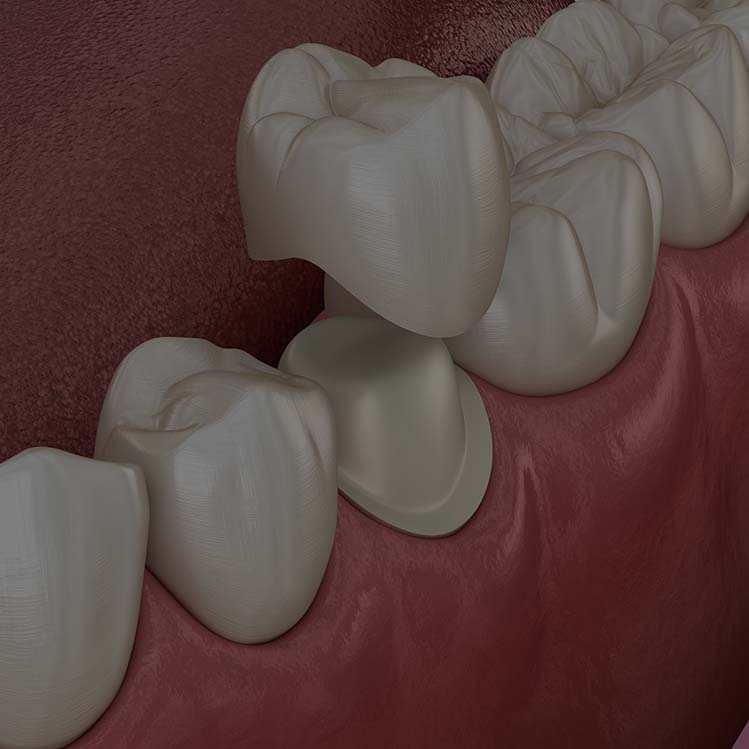
Fitting a crown usually takes two visits. During the first appointment, the tooth is carefully shaped to make space for the crown. Impressions are then taken and sent to a dental laboratory where your bespoke crown is crafted. A temporary crown is placed to protect the tooth in the meantime.
At your second appointment, the temporary crown is removed, and the permanent one is carefully adjusted for fit and appearance before being securely cemented in place. With proper care, dental crowns can last many years.
Why Choose a Dental Crown?

With good oral hygiene and regular check-ups, dental crowns can last 10 to 15 years or more. The material and how well you care for the crown will influence its longevity.
The crown procedure is generally painless. Local anaesthetic is used to numb the area during tooth preparation, and most patients experience minimal discomfort afterwards.
Crowns can occasionally come loose, especially if the underlying tooth is damaged or there is decay. If this happens, contact your dentist as soon as possible—often the crown can be re-cemented.
Yes. Porcelain and ceramic crowns are particularly suitable for front teeth as they blend naturally with your smile.
A filling repairs a small area of tooth decay, while a crown covers the entire tooth to provide strength and protection when more extensive damage is present.
Maintain good oral hygiene by brushing twice daily and flossing once a day. Avoid chewing hard foods like ice or hard sweets on the crowned tooth to prevent damage. Regular dental check-ups will help ensure the crown remains in good condition.
Yes, especially if you opt for porcelain or ceramic crowns. These materials are designed to match the colour and translucency of your natural teeth, providing a seamless appearance.
While crowns don’t require special care, it’s essential to continue practicing good oral hygiene. Although the crown itself cannot decay, the underlying tooth is still susceptible to gum disease and decay at the crown’s edge.
Generally, you can eat most foods with a dental crown. However, it’s advisable to avoid very sticky or hard foods that could dislodge or damage the crown.
If your crown feels uncomfortable or you notice an improper fit, contact Toothcare Dental promptly. We’ll assess the situation and make necessary adjustments to ensure your comfort and the crown’s functionality.
Toothcare Dental’s practice is located in Wigmore, Gillingham, Kent so offers easy access, especially to those who live in the Medway towns of Rainham, Strood, Rochester and Chatham.












We value every patient’s experience and take pride in the trust they place in our care. Their feedback not only helps us improve but also reflects the quality of service we’re committed to delivering to every patient. Read what our patients have to say about their time at our practice in Wigmore, Gillingham, Kent.
Have any questions about the treatments and services we provide?
Please get in touch using the form below.